Drying is a necessary part of any commercial laundry operation. But when linens stay in the dryer longer than needed, the impact can reach far beyond the drying cycle.
Over-drying can add unnecessary heat exposure, place extra stress on fabrics and increase utility use. Over time, this may affect linen appearance, feel and replacement planning. It can also create avoidable pressure on your daily workflow.
For laundry owners and operators, the goal is simple: dry each load to the right level for its next use.
Why over-drying happens
Over-drying is not always caused by a single issue. It can result from a combination of daily operational factors, including:
- Mixed loads with different fabric types or weights
- Incorrect cycle selection
- Drying loads that are too small or too large
- Inconsistent wash extraction before drying
- Lint build-up or restricted airflow
- Staff using extra drying time as a precaution
- Settings that are not reviewed as linen types or operating needs change
These small decisions can build up across many loads.
In a busy laundry, that can mean:
- More time spent drying
- Higher energy use
- More wear on valuable linens
The impact on linens
Heat is an important part of the drying process. However, too much heat or too much time in the dryer can affect fabrics.
Linens may become rougher to the touch, lose some of their appearance or show signs of wear sooner.
For example:
- Towels can feel less soft.
- Sheets and bedding may become more difficult to finish.
- Uniforms and workwear may lose their intended shape over repeated cycles.
Why does this matter?
Because linen is part of the customer experience.
In hospitality, healthcare, care homes and laundromats, customers and guests notice how textiles look and feel.
Clean, well-finished linens can support a sense of:
- Hygiene
- Comfort
- Care
- Consistent quality
When textiles are handled correctly, they can help your operation present a more consistent standard.
The impact on daily operations
Over-drying can also affect how smoothly your laundry runs.
If dryers run longer than required, loads may take more time to move through the laundry. This can slow down peak periods, add pressure for staff and make it more difficult to plan the next stage of work.
There is also the cost to consider.
Longer dryer cycles can increase energy use. The exact impact will depend on your equipment, utility rates, load size, linen type and local operating conditions, but reducing unnecessary drying time can support better cost control.
The best approach is not simply to dry faster. It is to create a process that helps each load reach the right result, consistently.
Five ways to help avoid over-drying
1. Sort loads carefully
Different textiles need different care.
Heavy towels, lightweight sheets, microfiber products and workwear should not automatically be treated as the same load.
Sorting by fabric type, weight and end use can help your team select more suitable drying settings.
A more consistent load helps create a more consistent result.
2. Review your wash extraction process
The dryer starts its work after the washer has finished.
If excess water remains in the linen after extraction, the dryer may need more time to complete the cycle.
Reviewing washer settings, load sizes and extraction steps can help support a more balanced laundry process.
Better drying results often begin in the wash process.
3. Use the right drying program
Dryer programs should match the textiles being processed and the finish required.
For example, some items may need to be ready for folding, while others may be sent to an ironer or finishing station. These workflows may require different moisture levels.
Avoid using one extended cycle as the answer for every load.
Instead, build clear procedures that help staff choose the appropriate program for each linen category.
4. Keep airflow clear
Good airflow is essential to the drying process.
Lint filters, ducting and ventilation should be checked and maintained according to your equipment guidance and local safety requirements.
Restricted airflow can extend drying times and make it harder to achieve consistent results.
A regular maintenance routine supports business continuity and gives your team more confidence in daily operations.
5. Train teams to recognise the right finish
Staff knowledge makes a real difference.
Your team should know what “dry enough” looks and feels like for the linens they handle.
They should also understand:
- When an item needs more drying time
- When it is ready for the next stage
- Which settings should be used for different linen types
Clear training helps avoid the common habit of adding extra minutes “just in case.”
At IPSO, we support laundry owners with advice, service expertise, genuine parts and training designed with daily operations in mind.
Small improvements in process can help create a better laundry experience for your customers and your team.
Build a smarter drying routine
Avoiding over-drying is not about cutting corners.
It is about treating linens with care while supporting a more controlled operation.
Start by reviewing a typical day in your laundry:
- Which loads take the longest to dry?
- Are similar items being processed together?
- Do team members use the same settings for the same linen types?
- Are lint filters and airflow checks part of the daily routine?
- Is the final linen finish right for its intended use?
These questions can help identify practical opportunities for improvement.
Every load is part of your customer promise.
With the right process, training and equipment support, you can help protect your linens, support your team and keep your laundry moving forward.
IPSO support for more controlled drying
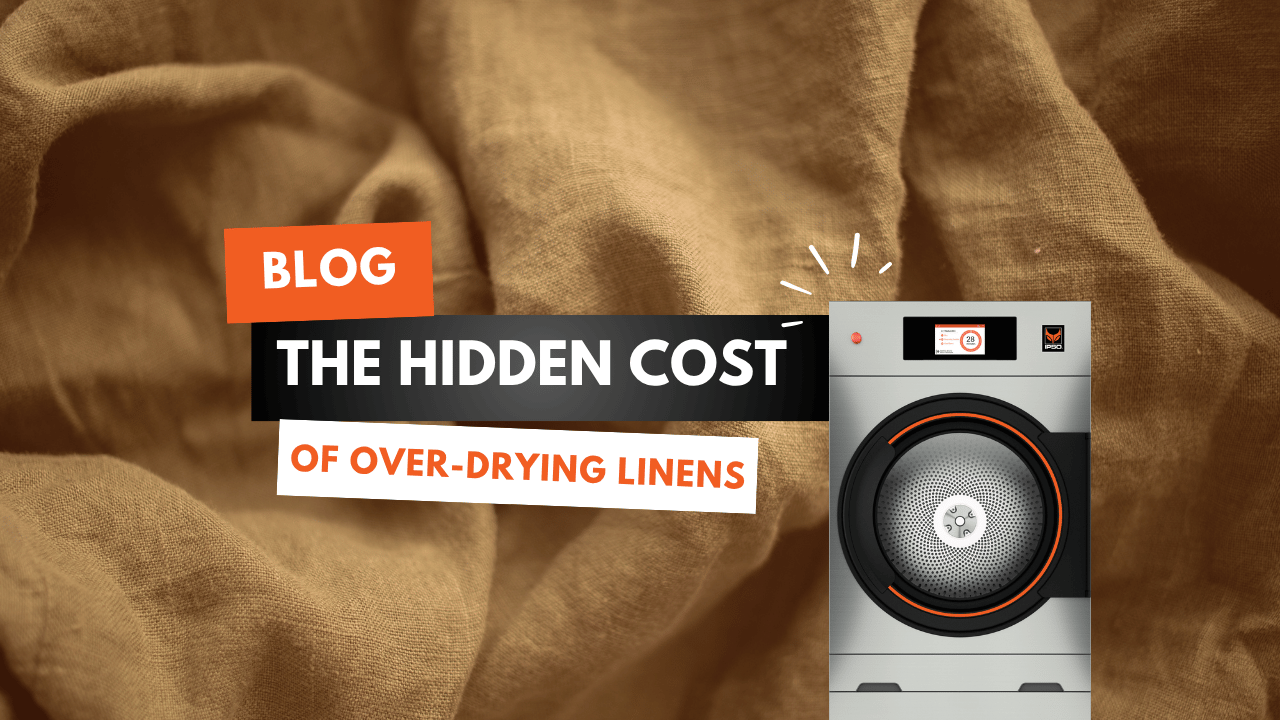
IPSO tumble dryers can be equipped with Overdry Prevention Technology (OPT), designed to support more controlled drying.
OPT monitors moisture levels during the cycle and can help bring the cycle to an end when the selected dryness level is reached.
This can help:
- Reduce unnecessary drying time
- Support a more consistent finish
- Create clearer drying routines
- Better manage different linen types
It gives operators a practical way to build more controlled drying routines for towels, bedding, workwear and other everyday laundry items.
For the best result, settings should be matched to the fabric type, load size and required finish.
Your IPSO partner can provide advice, training and service support to help your team use available dryer features effectively.
Ready to improve your drying process?
IPSO helps laundry owners build better laundry experiences through practical equipment, service and expertise.
Contact your local IPSO partner to discuss support for your laundry operation.